Looking for winter vacation activities for kids that are fun, useful and easy on the budget? The winter vacation is a gift and a challenge. Children finally get a break from the early alarm and the school bag. Parents, meanwhile, face a few weeks of “I’m bored” and a lot of screen time.
The good news is that a vacation does not have to mean losing the habits your child has built. With a little planning, the winter holidays can be a time to relax, play, read, create and spend time together. Here are 25 winter vacation activities for kids, including indoor, outdoor, free and low-cost ideas, plus a sample routine and tips for returning to school smoothly.
Quick Answer
The best winter break is a balanced one: a loose daily routine, some reading, some creative or hands-on learning, plenty of active play and real family time, with screens limited. You do not need expensive activities. Most of the ideas below use things you already have at home..
When Do Winter Vacations Start?
Winter vacation dates for schools in Pakistan are announced by the education departments of each province and of Islamabad, and they differ by region and sometimes by school type. In recent years the notices have usually appeared in December. Check the official notice for your area, and ask your child’s school whether its holidays follow the same dates.
Before the Break: Plan Lightly
A little planning at the start makes the whole break calmer.
- Keep a loose routine. Keep wake-up and bedtime within about an hour of the school-day times, so returning to school is easier.
- Make a “holiday list” together. Let your child choose a few things they want to do, such as a baking day or a story night.
- Set screen rules early. Agree on when screens are allowed and for how long, before the first day of holidays.
- Plan something every day. One small planned activity per day, even 30 minutes, prevents the “I’m bored” spiral.
25 Winter Break Activities for Kids
Reading and Language (Ideas 1 to 6)
- Start a family reading hour. Everyone reads, even if they read different books. UNICEF’s guidance on reading aloud suggests a regular routine, about 5 to 10 minutes a day for babies, rising to 15 to 20 minutes as children grow.
- Read aloud together. Let younger children choose the story, and let older children read to their siblings.
- Make a holiday reading chart. Add a sticker for every book finished.
- Retell the story. After a story, ask your child to tell it back, or invent a new ending. UNICEF also recommends encouraging children to make up their own versions of favourite tales.
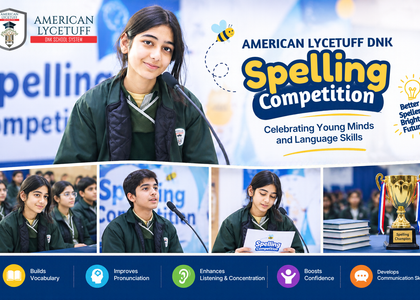
- Play spelling and word games. Try “spelling bee at home”, word chains, or finding words that start with a given letter. Our post on the American Lycetuff DNK Spelling Competition shows how much children enjoy this kind of challenge.
- Keep a holiday diary. Two or three sentences a day builds writing confidence, in English, Urdu or both.
Creative Activities (Ideas 7 to 12)
- Draw and paint. Set out paper, crayons and watercolours, and let children make cards or posters.
- Make something from recycled items. Boxes, bottles and cardboard become robots, houses and cars.
- Try simple crafts. Paper folding, clay or beads suit many ages.
- Put on a family show. Children write, rehearse and perform a short play or storytelling session.
- Make a scrapbook. Collect photos, drawings and small notes from the break.
- Practise calligraphy. Neat handwriting in English or Urdu is a calm, useful holiday skill.
Hands-On Learning and STEM (Ideas 13 to 17)
- Cook or bake together. Measuring, counting and timing are real maths and science.
- Do simple science at home. Sink-or-float tests, growing seeds, or making ice and watching it melt.
- Build challenges. “Build the tallest tower you can from paper and tape” is a cheap engineering lesson.
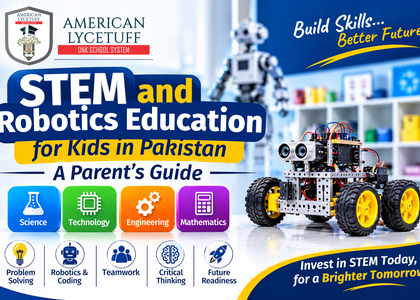
- Try beginner coding. Scratch is free to use online and suits many ages. Read more in our guide to STEM and robotics education for kids.
- Play maths games. Card games, dominoes, board games and shopping-list budgeting all build number sense.
Active and Outdoor Play (Ideas 18 to 21)
- Go for a daily walk or play outside. Sunshine and fresh air are especially welcome in winter. Dress warmly, and skip outdoor play on days when air quality is poor.
- Organise a family game. Cricket, badminton, skipping or tag keep everyone moving.
- Try an indoor obstacle course. Cushions, chairs and tape make a fun course for younger children.
- Visit a park, museum or heritage site. A short outing can become a mini learning trip.
Family, Values and Kindness (Ideas 22 to 25)
- Share a family meal project. Let children help plan, cook and serve a meal.
- Do a kindness project. Sort out clothes or books to donate, or write thank-you notes. These small acts are part of what we mean by Tarbiyah, nurturing character alongside knowledge.
- Hold a family story night. Grandparents or older relatives can share stories from their childhood.
- Learn a new life skill. Folding laundry, planting a pot or making tea safely builds independence.
Winter Trips to Pakistan’s Northern Areas: Safety First
Snow draws many families to Murree, Galiyat and other northern areas every winter, and for children it can be a memorable trip. It also needs more planning than any other idea on this list. In January 2026, Tribune reported that a snowstorm left thousands of tourist vehicles stranded in Murree, and authorities banned further vehicles from entering and urged people to avoid travelling there.
If you are planning a northern trip with children, use this checklist, based on advisories from the Murree police and the National Disaster Management Authority (NDMA):
- Check the weather and road conditions first. Follow forecasts and alerts from the Pakistan Meteorological Department and NDMA, and confirm the road status with the National Highways and Motorway Police before you leave.
- Be ready to postpone. The Murree police advise postponing non-essential trips when severe weather is forecast. A trip that is cancelled is better than children stuck in a car overnight.
- Prepare the vehicle. Service it, carry anti-skid chains, and keep the fuel tank full.
- Avoid night driving, and drive slowly with a safe distance from the vehicle ahead.
- Book your stay in advance, so you are not searching for rooms in bad weather.
- Pack essentials. Bring warm clothes and blankets, medicines for the family, plenty of water, and at least 24 hours’ worth of food, as NDMA advises.
- Use heaters carefully. If you have to wait in a car, keep a window slightly open to prevent carbon monoxide build-up.
- Know the emergency numbers. Police Helpline 15 and Rescue 1122.
For younger children, a shorter trip closer to home is often the safer and calmer choice, and you can plan the northern trip for a time of year with more settled weather. Always follow the latest official advisories, because conditions can change within hours
Free and Low-Cost Winter Vacation Activities for Kids
You do not need to spend money to keep children busy. Most of the ideas above cost little or nothing, especially:
- Reading from books you already have, or from a school or community library
- Drawing and crafts using recycled paper and boxes
- Cooking with ingredients from your kitchen
- Walks, park games and family sports
- Day trips to a local park, museum or heritage site, which cost little when you pack your own food
- Scratch coding, which is free online
- Kindness projects such as donating clothes or books you no longer need
Winter Vacation Activities for Kids by Age
| Age | Good fits |
| Under 5 | Read-aloud, play with blocks, songs, simple crafts, outdoor play |
| 5 to 8 | Spelling games, drawing, cooking, simple science, board games |
| 9 to 12 | Holiday diary, Scratch coding, building challenges, family projects |
| Teens | Reading, hobbies, volunteering, learning a skill, light revision |
Balancing Screen Time
Screens are part of life, so the goal is balance. The World Health Organization’s guidelines for children under 5 set out how much time young children should spend on screen-based sedentary activities, with the emphasis on active play and good sleep. For older children, a few simple habits help:
- Set a daily limit and a “no screens at meals or before bed” rule
- Choose screen time that is creative or educational where possible
- Join in sometimes, for example by playing a game together
- Keep devices out of bedrooms overnight
A Simple Daily Routine
You do not need a strict timetable. A gentle rhythm is enough:
- Morning: wake up, breakfast, 20 to 30 minutes of reading or a calm activity
- Late morning: a creative or hands-on project
- Afternoon: outdoor or active play, then lunch and rest
- Evening: family time, a short game or story, then screens within your agreed limit
- Bedtime: a regular time, with a book
Holiday Homework Without the Stress
If your child has holiday homework, spread it across the vacation instead of leaving it until the last days. Aim for 20 to 30 minutes a day, a little at a time, and keep a short break between tasks. If your child seems overwhelmed, talk to the teacher rather than turning the holidays into a struggle. Our student guidance and counselling team supports families who need help with pressure or study habits.
Getting Ready for School Again
A few days before school reopens:
- Move bedtime and wake-up times back to the school schedule
- Pack the school bag together and check uniforms
- Talk about what your child is looking forward to
- Do a short, calm review of a few key topics for older students, without drilling
Planning Ahead for the Next Session
Winter is also when many families start thinking about the next school year. If you are considering a school for your child, our guides on the age to start school in Pakistan and school admission test preparation can help you plan, and you can read about each level on our Early Years, Primary Years, Middle Years and Senior School pages.
Frequently Asked Questions
What Can Kids Do During Winter Break at Home?
Reading, drawing, cooking, simple science, board games, building challenges and active play at home or outdoors are all easy options that cost little.
How Do I Keep My Child Learning During the Holidays?
Keep a gentle routine with a little reading, writing and hands-on learning each day, and mix it with plenty of play. The aim is to keep habits going, not to run a second school.
How Much Screen Time Is Okay During Holidays?
It depends on your child’s age. The WHO publishes guidelines for children under 5, and for older children the key is to set clear limits, choose useful content and keep screens away from meals and bedtime.
Should Children Do Holiday Homework?
If the school gives it, spreading it across the break in short sessions works better than leaving it to the end. Keep it light and talk to the teacher if it feels too heavy.
How Can I Help My Child Get Back Into the School Routine?
Shift bedtime and wake-up times a few days before school reopens, pack the bag together and talk about what your child is looking forward to.
What Are Good Winter Activities for Toddlers?
Read-aloud sessions, songs, building with blocks, simple crafts and outdoor play on sunny days are all good choices.
Make the Winter Vacation Count
A good winter vacation is not about packing every day with activities. It is about giving children time to rest, play, read, create and be with family, while keeping a few gentle habits alive. Pick a handful of ideas from this list, and let your child lead the rest. If you would like to learn more about learning at American Lycetuff DNK, explore admissions, find your nearest campus, contact us, or read our programmes guide.